Engaging Learning Through Colors Lesson for Kids to Learn
Introducing young minds to the world of colors is a foundational step in their educational journey. The Colors Lesson for Kids to Learn offers an interactive and visually stimulating approach that helps children grasp color recognition, naming, and application. This comprehensive resource is ideal for educators, parents, and caregivers looking to make learning fun and effective. With its digital format and printable materials, it provides flexibility and convenience for various learning environments.
The Colors Lesson for Kids to Learn includes a variety of components designed to cater to different learning styles and developmental stages. From structured lessons to creative activities, this collection ensures that children remain engaged while developing essential skills. Each element is thoughtfully crafted to support early childhood education and promote a positive attitude toward learning.
Components of the Colors Lesson for Kids to Learn
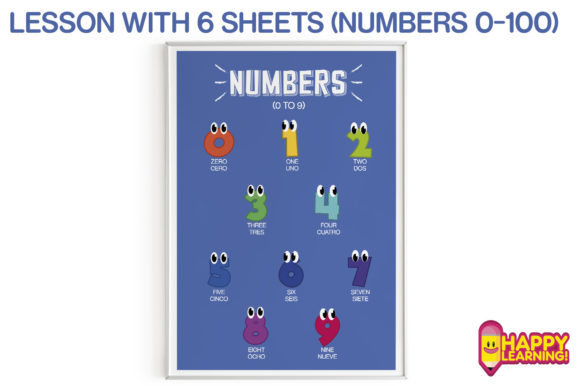
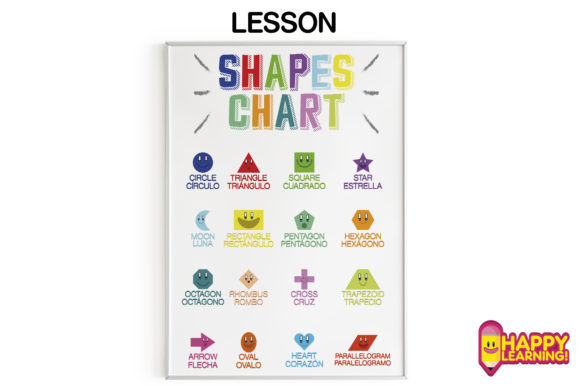
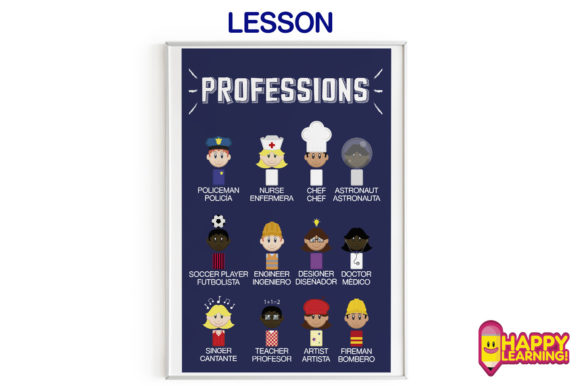
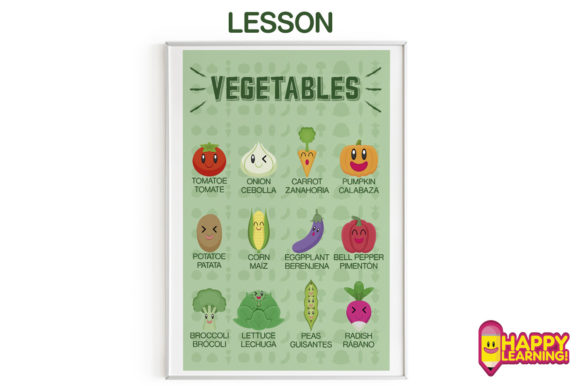
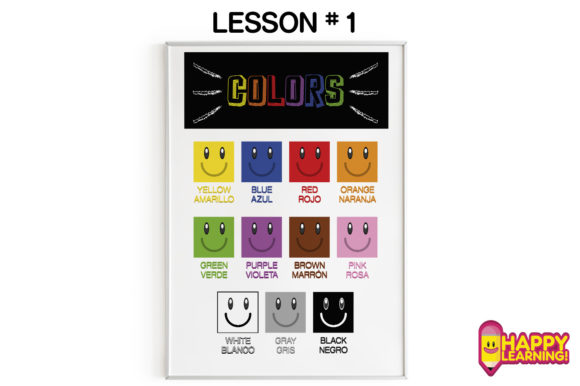
The Colors Lesson for Kids to Learn comes in a compressed file named “Colors,” which contains multiple folders tailored to specific educational needs. One of these folders is labeled “Lessons,” which includes two detailed lessons. These lessons are formatted to fit standard paper sizes of 27,94×43,18cm, making them suitable for classroom use or at-home learning. Each lesson is structured to introduce colors in a clear and engaging manner, often incorporating visual aids and hands-on activities to reinforce understanding.
In addition to the lessons, the “Activities” folder contains four distinct activities. Three of these activities are designed for paper sizes of 21,59×27,94cm, while the fourth is larger, measuring 43,18cmx27,94cm. These activities vary in complexity and purpose, allowing educators and parents to choose the most appropriate ones based on the child’s age and skill level. Whether it’s matching colors, identifying objects by hue, or creating color-based art, each activity encourages active participation and reinforces key concepts.
The “Cards Templates” folder adds another layer of interactivity to the Colors Lesson for Kids to Learn. It includes two front templates—one with color names and one without—and one back template. These templates can be used to create custom flashcards, which are invaluable tools for memorization and review. The optional background templates allow for personalization, enabling users to tailor the cards to match their teaching style or the child’s preferences.
A bonus JPG file is also included, offering a wide selection of stickers. These stickers serve as rewards for completed tasks or milestones, providing motivation and a sense of accomplishment. By incorporating tangible incentives, the Colors Lesson for Kids to Learn fosters a positive learning environment where children feel encouraged to explore and experiment with colors.
Benefits of Using the Colors Lesson for Kids to Learn
The Colors Lesson for Kids to Learn is more than just a set of printable materials; it’s a valuable educational tool that supports cognitive development and creativity. One of its primary advantages is its ability to engage children through visual and tactile learning. Since young learners often respond well to colorful and interactive content, the vibrant designs and varied activities help maintain their attention and interest.
Another significant benefit is the flexibility it offers. The digital format allows for easy access and printing, making it convenient for both teachers and parents. Educators can integrate the lessons and activities into their curriculum, while parents can use them for supplementary learning at home. The availability of different activity sizes ensures that the materials can be adapted to suit various settings, whether in a classroom, daycare, or individual learning sessions.
The Colors Lesson for Kids to Learn also promotes independence and self-directed learning. By providing clear instructions and structured tasks, it empowers children to take ownership of their learning process. This sense of autonomy is crucial for building confidence and fostering a lifelong love of learning. Additionally, the inclusion of optional backgrounds and customizable elements allows for a personalized touch, making the learning experience more meaningful for each child.
Furthermore, the resource supports multisensory learning, which is particularly beneficial for children with diverse learning needs. The combination of visual, auditory, and kinesthetic elements ensures that all learners have the opportunity to succeed. For example, the flashcards can be used for verbal practice, while the activities encourage physical interaction and creativity. This holistic approach enhances retention and comprehension, making the Colors Lesson for Kids to Learn a versatile and effective educational tool.
Considerations When Using the Colors Lesson for Kids to Learn
While the Colors Lesson for Kids to Learn is a highly useful resource, there are some considerations to keep in mind. First, since it is a digital product, users must ensure they have the necessary software to open and print the files. Basic knowledge of file compression and extraction may be required, especially for those who are less familiar with digital tools. However, most modern devices and operating systems support common file formats, making the process straightforward.
Another consideration is the potential variation in color appearance due to different monitor settings. The Colors Lesson for Kids to Learn is a digital artwork, and slight differences in color representation may occur depending on the device used. To mitigate this, users can test the printed materials on different screens or adjust their monitor settings for more accurate color display. This small step ensures that the visual elements of the resource are as intended and effective for learning purposes.
Additionally, the success of the Colors Lesson for Kids to Learn depends on how it is implemented. While the materials are well-designed, they require guidance and support from adults to maximize their educational value. Educators and parents should take the time to explain the concepts, provide context, and encourage exploration. By actively participating in the learning process, adults can help children make meaningful connections and deepen their understanding of colors.
Finally, it’s important to remember that the Colors Lesson for Kids to Learn is just one part of a broader educational strategy. While it provides a solid foundation for color recognition and creativity, it should be complemented with other resources and activities. Incorporating books, games, and real-world experiences can further enrich the learning experience and help children apply their knowledge in different contexts.