Science Doesn't Care What You Believe: A Practical Guide for Creators and Educators
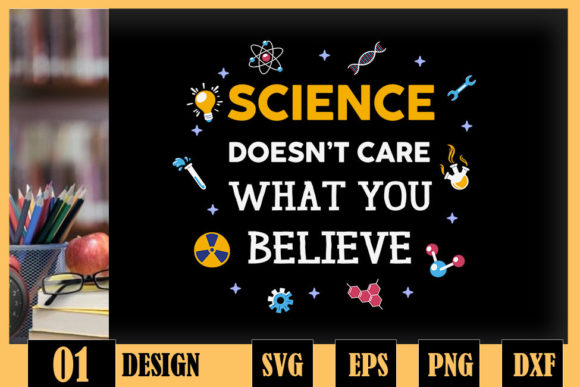
Whether you're a teacher, a designer, or a small business owner, the phrase "Science Doesn't Care What You Believe" might catch your attention. It's more than just a catchy saying—it's a reminder that facts and logic often take precedence over personal beliefs. This design, available as an SVG, PNG, EPS, or DXF file, is perfect for creating custom items like T-shirts, signs, and digital content. But before you dive into using it, there are several practical considerations to keep in mind.
Understanding the Design and Its Purpose
The "Science Doesn't Care What You Believe" design is ideal for educators, students, and anyone who wants to make a statement about the importance of evidence-based thinking. It's commonly used in back-to-school projects, classroom decorations, and promotional materials. The design can be adapted for various purposes, from teaching tools to motivational posters.
Available in multiple formats, this design is compatible with a wide range of software programs, including Cricut Design Space, Silhouette Studio, Corel Draw, Adobe Illustrator, and Adobe Photoshop. However, not all file types are equally suited for every application. Understanding which format works best for your needs is essential to achieving the desired results.
Common Mistakes When Using the Design
One of the most common mistakes people make is choosing the wrong file format for their project. For example, while SVG files are great for use in Cricut Design Space, they may not be the best choice if you're working in Microsoft Word or Publisher. Similarly, PNG files are ideal for digital documents but may lack the scalability of SVGs for physical cutting projects.
Another mistake is not checking the resolution or quality of the design before using it. Low-quality images can look pixelated when printed, especially on larger items like T-shirts or banners. Always verify that the design meets the required standards for your intended use.
Choosing the Right Software for Your Needs
Each software program has its strengths and limitations. Cricut Design Space is excellent for creating cut designs, but it may not support all file types. If you're using a design in Cricut, an SVG file is typically the best option. On the other hand, if you're working in Silhouette Studio, both SVG and PNG files are widely supported.
For professional graphic design, Adobe Illustrator is the go-to tool for EPS and AI files, while Photoshop is better suited for raster-based PNG files. CorelDraw offers versatility across multiple file types, making it a good choice for those who work with different formats regularly.
Key Considerations Before Using the Design
Before you start using the "Science Doesn't Care What You Believe" design, consider the following:
- Check the file type compatibility with your chosen software to avoid technical issues.
- Verify the design quality to ensure it looks sharp and clear at any size.
- Understand the intended use—whether it's for print, digital display, or physical cutting.
- Review licensing terms to make sure you're allowed to use the design for your specific purpose.
These steps can save you time and prevent frustration down the line. For instance, if you download an SVG file but try to use it in a program that doesn't support it, you'll end up with a non-functional design. Similarly, using a low-resolution PNG for a large print job can lead to poor results.
Practical Tips for Better Results
To get the most out of the "Science Doesn't Care What You Believe" design, follow these tips:
- Use the right file format for your project. For example, use SVG for cutting projects and PNG for digital use.
- Resize carefully. Avoid stretching or distorting the design, as this can affect readability and visual appeal.
- Test your design before finalizing it. Print a small sample or view it on different devices to ensure it looks good in all contexts.
- Customize thoughtfully. Add text, colors, or other elements that enhance the message without overwhelming the original design.
By taking these steps, you can create a more effective and professional-looking result. For example, if you're designing a T-shirt, using an SVG file in Cricut Design Space will allow you to create precise cuts, while a high-quality PNG file will look great on a digital banner.
How to Avoid Common Pitfalls
Many users overlook the importance of file preparation and software compatibility. To avoid these pitfalls, take the time to research the requirements of your chosen software. For instance, if you're using Adobe Illustrator, make sure the design is vector-based and properly formatted. If you're working in Photoshop, check that the image has sufficient resolution for your intended use.
Another way to avoid mistakes is to read user reviews or seek recommendations from others who have used the design. Online communities and forums can provide valuable insights into what works well and what to avoid. Additionally, always back up your files and keep a record of your design choices to reference later.
Final Thoughts
The "Science Doesn't Care What You Believe" design is a powerful tool for educators, creators, and professionals looking to promote critical thinking. By understanding the nuances of file formats, software compatibility, and design quality, you can maximize the effectiveness of this design in your projects.
Remember, the goal isn't just to use the design—it's to use it wisely. With the right approach, you can create something that's not only visually appealing but also meaningful and impactful. Whether you're printing a T-shirt, designing a poster, or creating a digital asset, the key is to make informed decisions that lead to better results.