Reflection Journal for Teachers: A Yearlong Tool for Growth and Self-Care
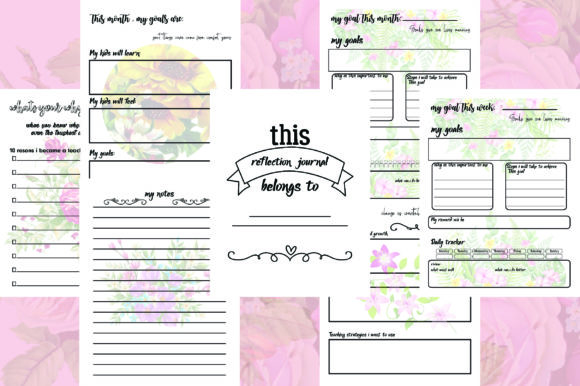
For educators seeking a structured way to reflect, grow, and maintain balance, the Reflection Journal for Teachers offers a powerful solution. Designed as a comprehensive resource, this journal helps teachers track their progress, set goals, and prioritize self-care throughout the school year. Whether you're new to reflective practices or looking to refine your approach, this tool can make a meaningful difference in your professional and personal life.
One of the standout features of the Reflection Journal for Teachers is its flexibility. It can be printed by month or for the entire year, allowing educators to tailor their experience based on their needs. This adaptability makes it ideal for those who want to maintain consistency without feeling overwhelmed by long-term commitments.
Why Reflection Matters for Educators
Teaching is more than just delivering lessons—it’s about connection, adaptation, and continuous learning. Yet, many educators overlook the importance of regular reflection. Without a structured way to process experiences, it's easy to fall into routine without growth. The Reflection Journal for Teachers addresses this gap by offering dedicated spaces for daily, weekly, and monthly reflections.
Consider the impact of not reflecting regularly. A teacher might miss opportunities to improve classroom management, adjust lesson plans, or address student needs. Over time, this can lead to burnout or a sense of stagnation. The Reflection Journal for Teachers helps prevent this by encouraging consistent self-assessment and intentional planning.
Common Mistakes When Using a Teacher Reflection Journal
While the Reflection Journal for Teachers is a valuable tool, some users may encounter challenges that hinder its effectiveness. One common mistake is treating the journal as a one-time task rather than an ongoing practice. Many educators fill out a few pages and then abandon the journal, missing out on its full potential.
Another misunderstanding is assuming that reflection should only focus on professional growth. In reality, self-care and emotional well-being are equally important. The Reflection Journal for Teachers includes a daily self-care statement, reminding educators to prioritize their own needs. Skipping this section can lead to exhaustion and reduced effectiveness in the classroom.
Some users also struggle with goal setting. Setting vague or overly ambitious goals can lead to frustration. Instead of focusing on broad objectives like “be better at managing students,” it’s more effective to break these down into specific, actionable steps. The Reflection Journal for Teachers includes weekly strategy goals, helping educators stay focused on achievable outcomes.
How to Get the Most Out of Your Reflection Journal
To avoid these pitfalls, start by committing to a regular reflection routine. Set aside time each day or week to complete the journal entries. Even a few minutes of reflection can lead to meaningful insights over time.
When setting goals, use the SMART framework—Specific, Measurable, Achievable, Relevant, and Time-bound. For example, instead of writing “improve communication,” try “have one check-in conversation with a student each week.” This approach increases the likelihood of success and provides clear benchmarks for progress.
Additionally, take advantage of the monthly affirmations and positive words sections. These can help shift your mindset during challenging times. Remind yourself of your purpose and values using the Why Statements section. This can be especially helpful during moments of doubt or stress.
What to Check Before Using the Reflection Journal for Teachers
Before diving into the Reflection Journal for Teachers, consider your personal preferences and workflow. Do you prefer digital or printed formats? While the journal can be printed, some educators may find a digital version more convenient for note-taking and organization.
Also, think about how you want to use the journal. Are you looking for a tool to track classroom performance, manage stress, or build stronger relationships with students? Understanding your goals will help you use the journal more effectively.
Finally, review the structure of the journal. The Reflection Journal for Teachers includes daily peaks and valleys pages, which allow you to track high and low moments. This can provide valuable insight into patterns and triggers that affect your teaching experience.
Realistic Examples of Better Approaches
Imagine a teacher who uses the Reflection Journal for Teachers to track their weekly strategies. Instead of simply listing “improve engagement,” they focus on specific techniques like incorporating more interactive activities or using student feedback forms. This targeted approach leads to measurable improvements in classroom dynamics.
Another example involves a teacher who struggles with burnout. By consistently using the daily self-care statement and monthly reflection pages, they identify patterns of exhaustion and make necessary adjustments, such as scheduling regular breaks or seeking support from colleagues.
Conclusion: A Thoughtful Investment in Your Teaching Journey
The Reflection Journal for Teachers is more than just a notebook—it’s a tool for growth, balance, and intentional teaching. By avoiding common mistakes and embracing its structured approach, educators can unlock new levels of effectiveness and satisfaction in their work.
Whether you’re looking to enhance your practice, reduce stress, or stay focused on your goals, this journal offers a practical and flexible solution. With the right mindset and approach, it can become an essential part of your professional toolkit.